
Low-carbon food, built together
Food is one of the biggest sources of emissions, and one of the most overlooked parts of a city. The Sacoma Low Carbon Food Initiative connects farmers, food makers, cities, universities and shoppers around one shared goal: healthy citizens and a healthy environment.
Here is what we have done so far, what we are building now, and where we need to get to.
The route from farm to city is long, wasteful and carbon-heavy
Smart cities plan carefully for energy, water, transport and data. Food is usually left out, even though cities eat most of it and depend on long supply chains to get it.
Emissions
Growing, processing, cooling, packing and moving food produces about a third of global emissions. Imported food adds transport and refrigeration to every mile.
Waste
Food is lost on farms and wasted in shops and homes. In landfill it releases methane, and every lost harvest wastes the land, water and energy that grew it.
Fragile supply
Cities that rely heavily on imports are exposed to price shocks and supply disruptions. In Kenya, up to 30% of a harvest can be lost for lack of a cold chain [4].
Health
Diets high in ultra-processed food are linked to obesity, type 2 diabetes and heart disease, while the cost of living pushes healthy food further out of reach.
Farmers left out
Smallholders and small food makers often can't prove how sustainable their food is, so they miss out on the markets and premiums that reward it.
No way to show it
Green practices rarely pay. Without trusted data, there is no clear way for producers, buyers or shoppers to see and reward low-carbon choices.
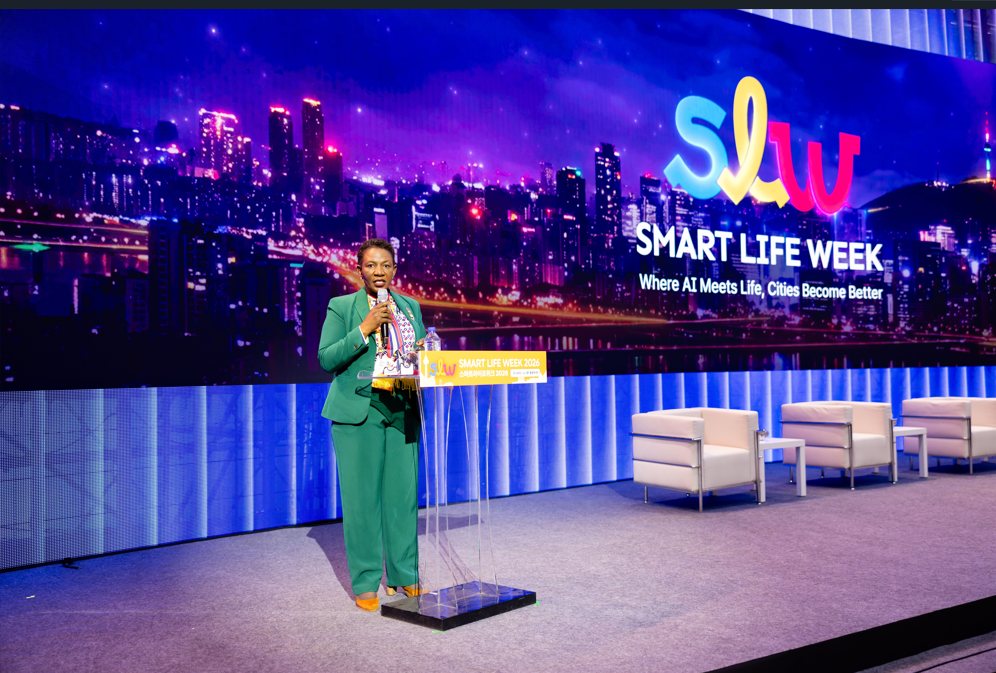
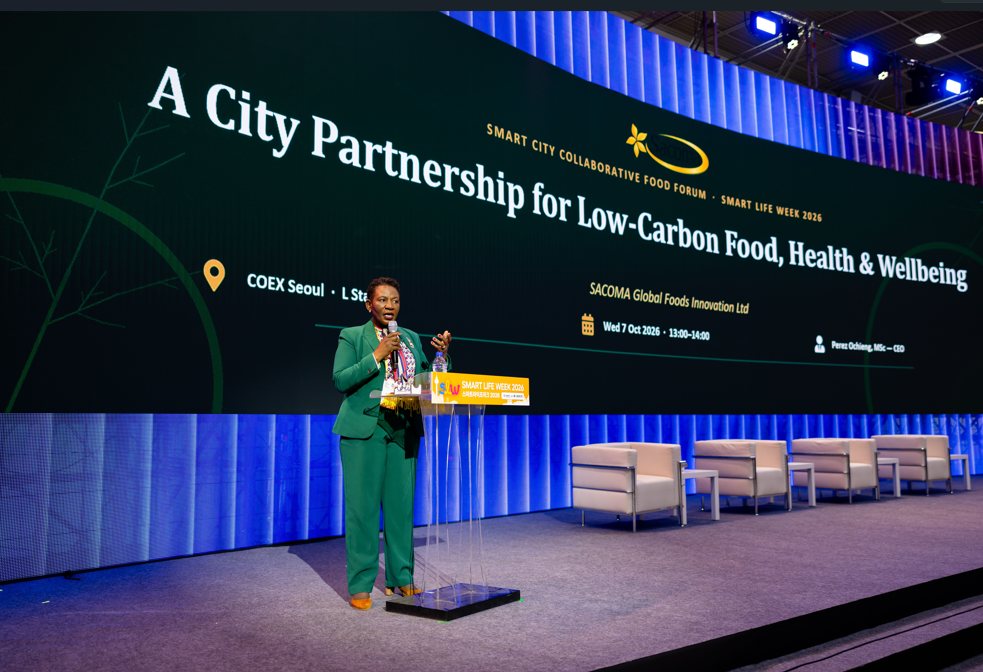
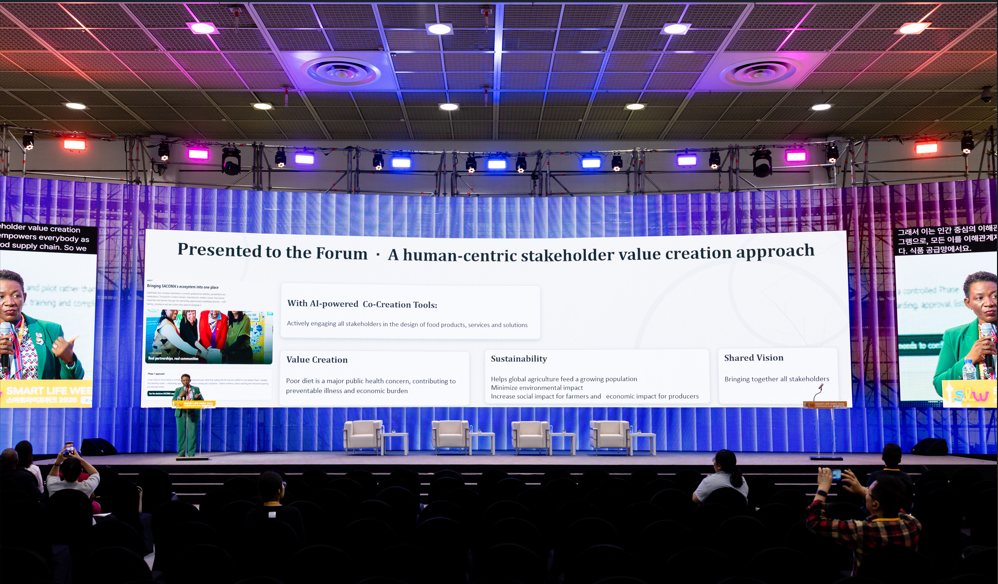
No matter how AI-centric society becomes, humanity must produce and consume food every day.Perez Ochieng, CEO, Sacoma, at the Smart City Food Forum, Seoul 2026
Low Carbon Foods System + Food School
Our answer is a circular food network, which we call a symbiosis model. One partner's waste becomes another partner's input, and a Living Lab sits at the centre to train people, develop products and measure results.
- Farmers and producers grow to quality and sustainability standards, with training and market access.
- Manufacturers reformulate and develop low-carbon products, with fewer imported ingredients.
- Distribution and retail shorten routes and make carbon data visible to buyers.
- Consumers can check a product's nutrition, its footprint and whether its producers were paid fairly.
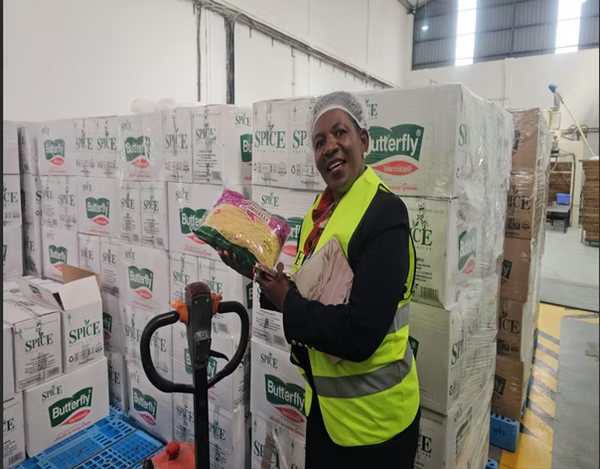
- Waste and by-products become clean energy, insect protein, fertiliser and new ingredients.
You can't reduce what you don't measure
Every product in the network is measured with the same method, so farmers, buyers and shoppers compare like with like.
We follow recognised standards: the GHG Protocol Product Standard and ISO 14067 for product footprints, and the GLEC Framework and ISO 14083 for transport. Results are recorded in the Sacoma Carbon Bank, which keeps a running balance of emissions, savings and verified credits, and every order can come with a carbon certificate.
Reduce first, balance last: avoid, reduce and reuse before any credit is used.
Honest claims
Today we say we are working towards net zero. We will only call a product carbon neutral when it meets ISO 14068-1, has been independently verified, and the claim is allowed under consumer law where it is sold, including the UK CMA's Green Claims Code and the EU rules on environmental claims that apply from 27 September 2026 [5].
Footprints shown on certificates are measured; credits are shown separately and never used to hide emissions.
What we've done so far
The initiative grew out of more than 30 years of agri-food experience across the UK, Africa and, more recently, South Korea.
Farm to shelf: the Sacoma Sweet Potato Initiative
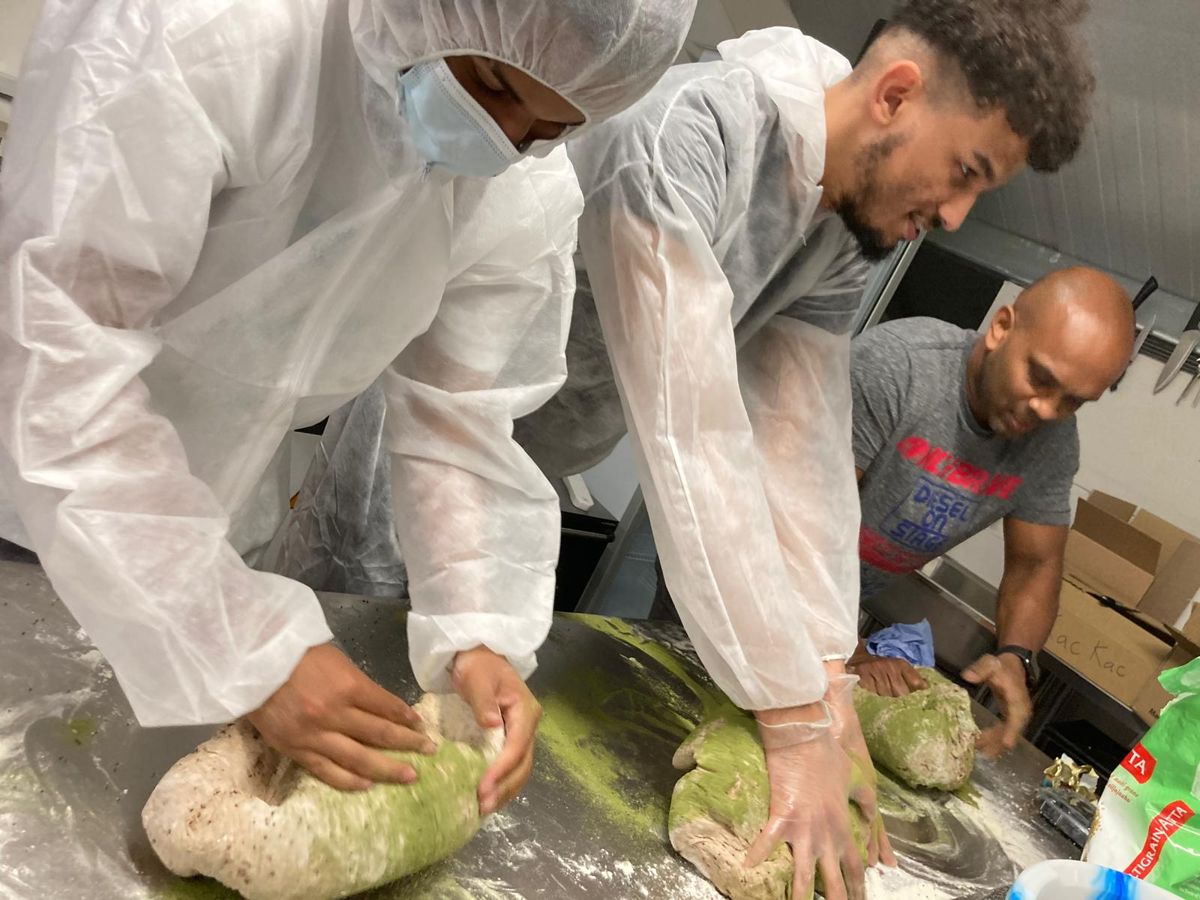
We trained Kenyan smallholders to export standards with the Natural Resources Institute, set up post-harvest storage, and turned their sweet potatoes into new products with University of Greenwich students. It won Best Social Responsibility Initiative at the World Food Innovation Awards 2017. Read the story

Skills for food makers
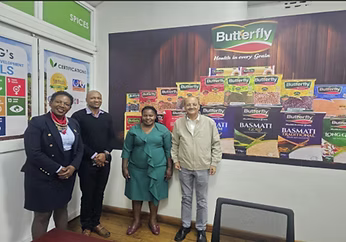
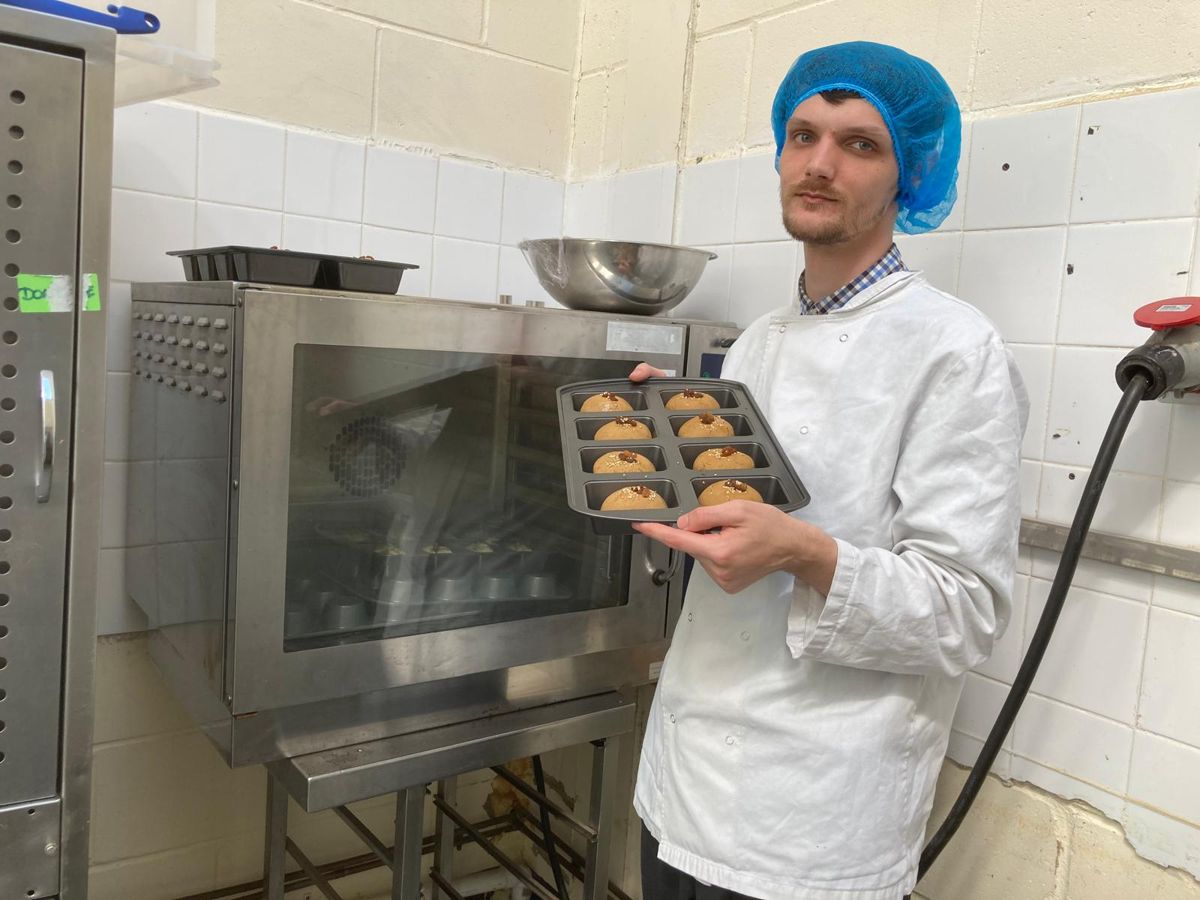
Sacoma Food School and the Retail Launch Pad help producers and exporters develop compliant, retail-ready products, with research links to the Royal Docks Centre for Sustainability at the University of East London. Food School · Retail Launch Pad
Proof of concept in a smart city
Through the Seoul × London Smart City Exchange, we tested our low-carbon food model with Gangnam-gu and Seoul city partners, connecting city consumers with producers and technology partners.
Partnerships and Smart Life Week
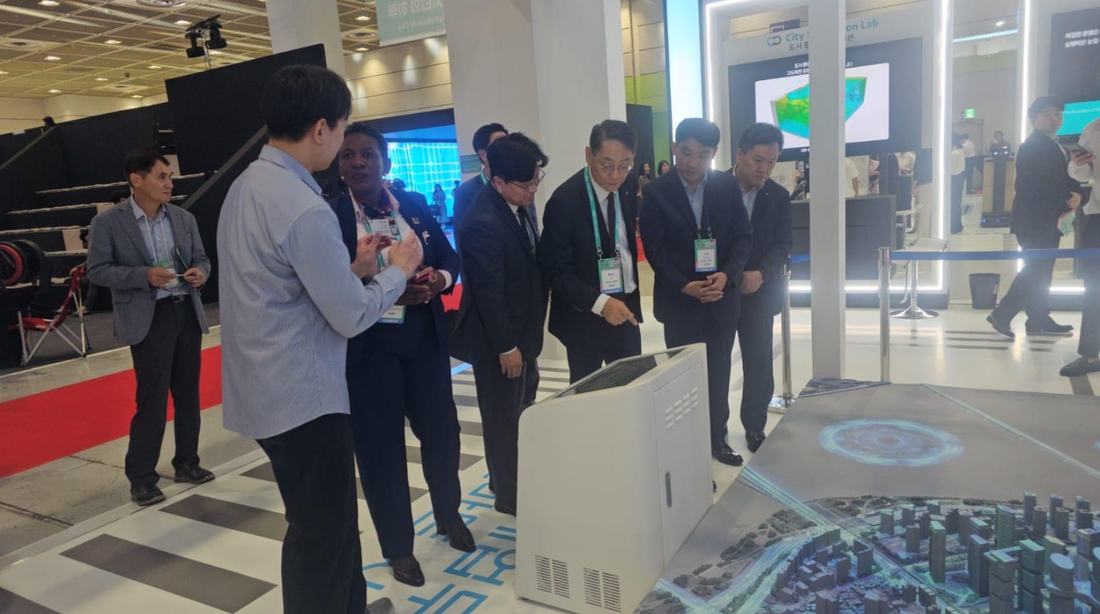
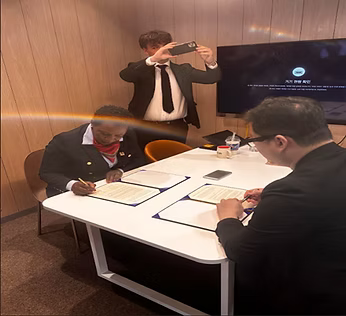
We signed an MoU with Vision Group to build a low-carbon health food supply chain, followed by MoUs with Korean firms in ginseng, medical foods and fermentation research. We exhibited at Smart Life Week 2025.

Co-creating products with food enterprises
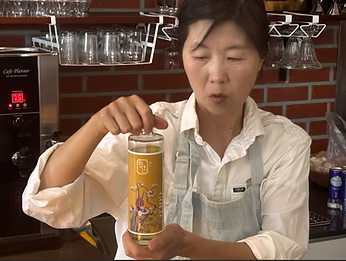
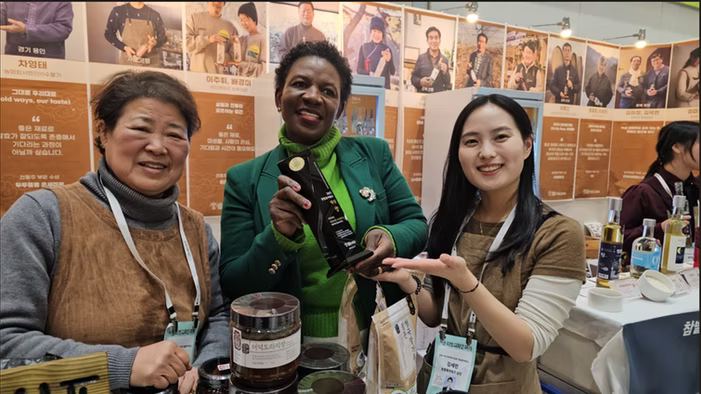
With the Good Fermented Foods Awards and Tomorrow's Table we are co-creating products with around 50 food enterprises, using a three-stage evaluation: citizen tasting, expert sensory testing and on-site visits.
Carbon methodology and certificates
We documented our carbon data methodology and built the first version of our Carbon Bank and certificate tool, ready for real product footprints.
The first Smart City Food Industry Collaborative Forum
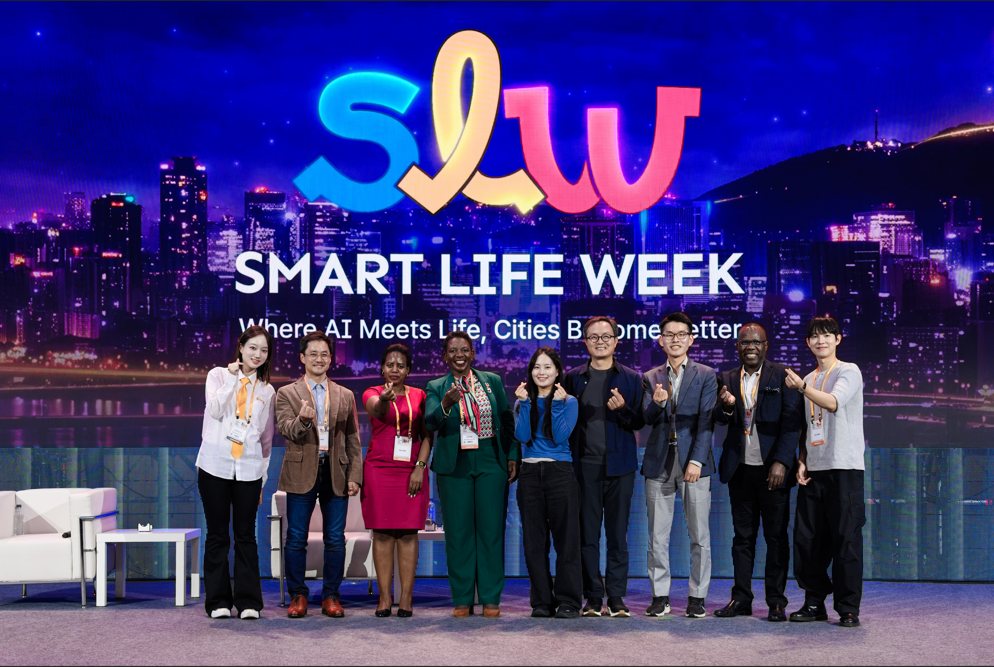
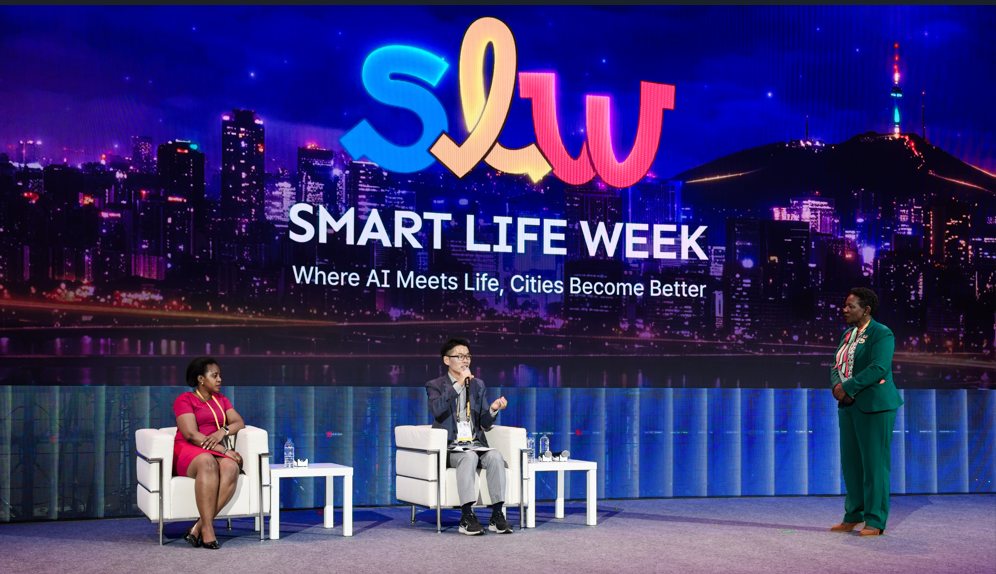
Sacoma convened city, university, embassy and industry voices at Smart Life Week 2026 and presented the AI-powered food traceability system we are now building. Read the Forum recap

Where we are, and where we need it to be
We are open about the gap. This is where the initiative stands in October 2026, and what success looks like.
| Area | Where we are now | Where we need it to be |
|---|---|---|
| Measurement | In progress Method agreed and certificate tool built, using example data. | Verified footprints for every product we sell, checked by an independent verifier under ISO 14064-3. |
| Supply chains | Proven Farm-to-shelf model proven in Kenya; MoUs in place with Korean partners. | Stable low-carbon supply chains linking producers in Africa, the UK and Korea, with fair-trade sourcing. |
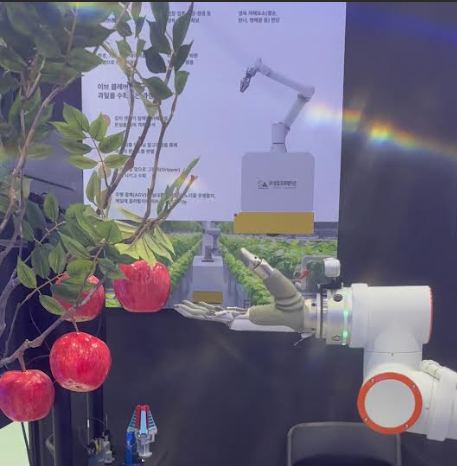
| Data and AI | Building AI traceability platform designed and in development. | A live platform where producers log data and shoppers scan to see nutrition, footprint and fair pay. |
| Partners | Growing City, university and industry partners in Seoul and the UK. | 40+ active partners and 120 local food enterprises using the platform. |
| Skills | Running Food School and Retail Launch Pad programmes in the UK. | 300+ low-carbon workshops and a Living Lab hub that other cities can copy. |
| Balancing emissions | Not started No registered carbon or social impact projects yet. | Our own tree-planting and community projects registered with Gold Standard or Verra. |
| Claims | Careful "Working towards net zero". | Products certified carbon neutral under ISO 14068-1, where verified and allowed. |
Our plan for 2025 to 2028
A phased plan: pilot, build the platform, grow partnerships, then scale and help cities put it into policy.
2025
- Seoul proof of concept completed
- MoU with Vision Group
- Smart Life Week 2025 exhibition
- Korean partner MoUs in ginseng, medical foods and fermentation
2026
- First Smart City Food Forum, Seoul
- Co-creation with around 50 food enterprises
- Carbon methodology and certificates
- Traceability platform in development
2027
- Launch footprinting, certification support and co-creation services
- 40+ active partners
- 120 local enterprises on the platform
2028
- 300+ educational workshops
- Living Lab scaled in Korea
- Model replicated in more cities across the UK, Africa and Asia
2027 and 2028 figures are targets, not results.
What we need to get there
No single company can decarbonise a food system. These are the partners who can help close the gap.
Cities and governments
Pilot sites, procurement that rewards low-carbon food, and policies that put food into smart-city plans.
Universities and researchers
Life cycle assessment, food science, reformulation and evidence that shows what works.
Farmers and food makers
Producers ready to share data, train with us and co-create low-carbon products.
Technology partners
Sensors, traceability, AI and data tools that are simple enough for smallholders to use.
Funders and investors
Grant, impact and private funding to build the platform and register carbon and social projects.
Buyers and retailers
Shelf space and purchase commitments for verified low-carbon products.
Partners and collaborators
Organisations we have worked with across the UK, Africa and South Korea.
Read, watch and visit
Video: Perez Ochieng on taking Sacoma to Seoul.
In the press
Following Smart Life Week 2026, The Fourth Journal in Seoul covered the Forum's presentations and panel. Read the article on 4th.kr
Partner presentation
Want the full Low Carbon Foods System + Food School presentation? Ask us for a copy.
Help us build a food system that's good for people, planet and producers
Whether you run a city programme, a farm, a food business or a research lab, there is a place for you in the network.
- Crippa, M. et al. (2021) Food systems are responsible for a third of global anthropogenic GHG emissions. Nature Food.
- UNEP (2024) Food Waste Index Report 2024: about 13% of food lost in the supply chain and 19% wasted.
- Ellen MacArthur Foundation, Cities and circular economy for food.
- Sacoma, Smart City Food Forum recap (2026), including remarks from the Embassy of Kenya in Korea.
- UK CMA Green Claims Code; EU Directive 2024/825; ISO 14068-1:2023.