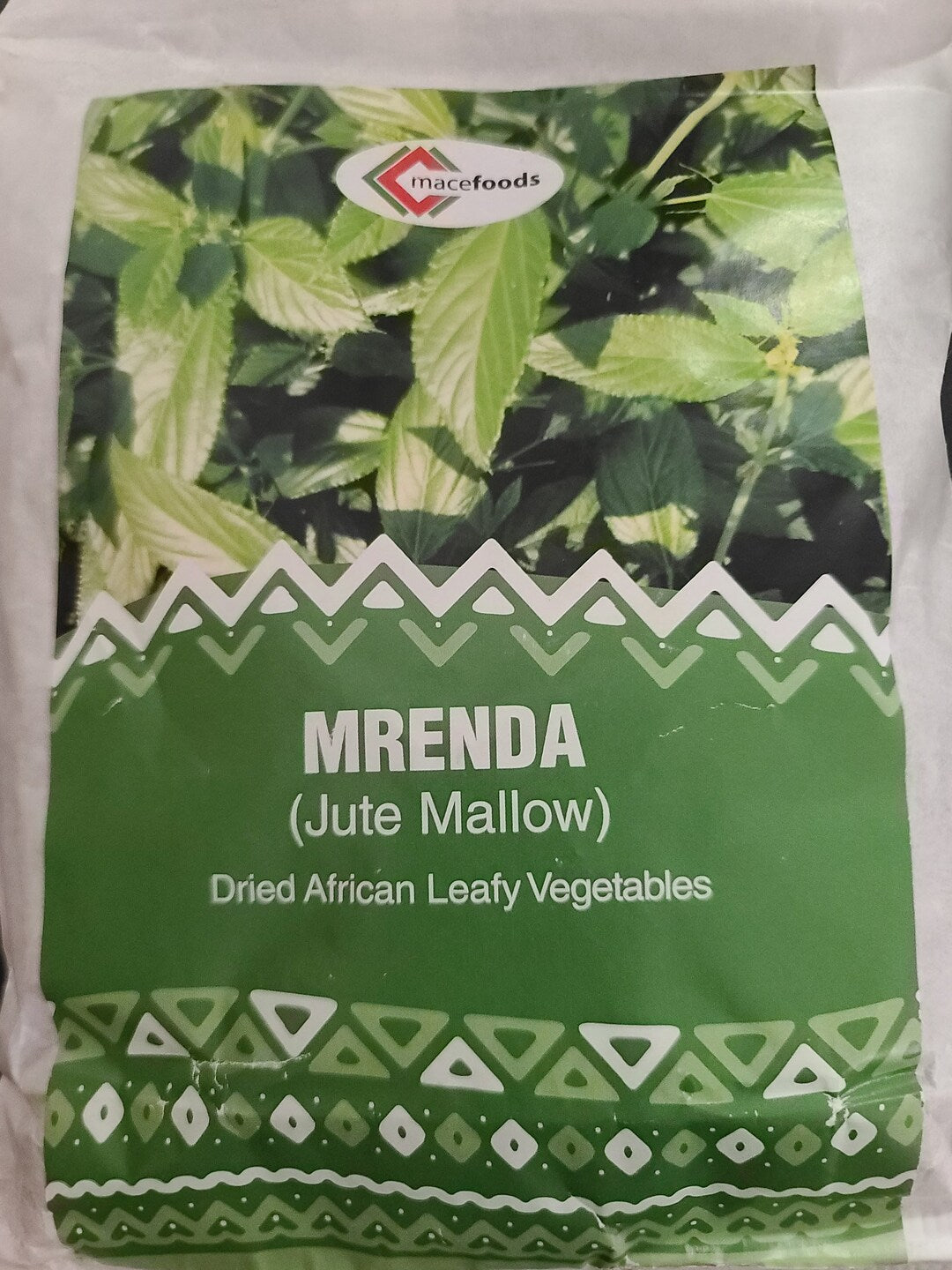
Dried Mrenda - Jute Mallow
Dried Mrenda - Jute Mallow
Mrenda (Jute Mallow) – Tasty Indigenous Vegetables
Mrenda is a traditional and nutrient-rich leafy super green loved across Africa for its earthy flavour, smooth texture and powerful nutrition. Packed with vitamins, iron and fibre, these dried jute mallow leaves transform simple stews, soups and traditional meals into authentic, nourishing comfort food. Whether you’re cooking ugali, rice or plant-based dishes, Mrenda brings the taste of home and the strength of tradition to every bowl. It is especially popular in Kenyan, Egyptian and West African cuisines, traditionally paired with ugali, rice or flatbreads.
픽업 사용 가능 여부를 로드할 수 없습니다.
About the Product
About the Product
Mrenda dried leaves are carefully harvested and sun-dried to preserve their natural nutrients and flavour. Once cooked, they develop a comforting, slightly mucilaginous texture that thickens soups and stews while adding a distinct taste. Traditionally paired with ugali, rice, or flatbreads, Mrenda is a staple in African households and an excellent choice for anyone exploring cultural, plant-based, or healthy cooking.
Health Benefits of Mrenda
Health Benefits of Mrenda
- High in Vitamins A & C – Boosts immunity, vision, and skin health.
- Rich in Iron & Calcium – Supports strong bones and healthy blood circulation.
- Digestive Support – Natural dietary fibre contributes to gut health.
- Anti-Inflammatory Properties – Traditionally used to soothe the body and support wellness.
- Low Calorie, Nutrient Dense – Ideal for clean eating, vegan and vegetarian diets.
This super green adds both health and heritage to your meals.
How to Prepare
How to Prepare
1️⃣ Soak & Rehydrate
- Place dried leaves in warm water for 5–10 minutes.
- Drain excess water once softened.
2️⃣ Cook Traditionally or Creatively
- Sauté onions, garlic, and tomatoes in oil.
- Add rehydrated Mrenda leaves and simmer gently.
- Season with salt, spices, or broth.
3️⃣ Serve With
- Ugali, rice, chapati, fufu, or stews.
- Perfect in soups, curries, and vegetarian dishes.
Other Names
Other Names
Mrenda, also known as Jute Mallow, is a cherished leafy green with deep cultural roots across Africa and the Middle East. Celebrated for centuries, it carries many names, reflecting its rich journey through tradition, language, and cuisine.
Also Known As:
- Mulukhiyah / Molokhia – Egypt & Middle East
- Ewedu – Nigeria (Yoruba cuisine)
- Ayoyo – Ghana
- Saluyot – Philippines
- Lalo – Sudan
- Jute Leaves / Bush Okra – International name
Cultural Significance:
- In Kenya, Mrenda is a beloved accompaniment to ugali, symbolising strength and nourishment.
- In Egypt, Mulukhiyah is a national dish, often served with rice and meat, known as the “food of kings.”
- In West Africa, it is treasured for its comforting texture and served during community meals and special occasions.
Across generations, Mrenda has been valued not just as food, but as a connection to heritage, health, and home — a taste of tradition passed down through every bowl and every story.
Cultural Heritage
Cultural Heritage
In Egypt, the leaves are plucked from the stem, their spine removed and then finely chopped before being cooked. Meat like chicken, beef or lamb is normally added. Some cooks even add shrimp. Garlic and coriander are also commonly added. The starch of choice that accompanies Molohiya when serving is rice.
The Lebanese cuisine prepares it slightly differently. The leaves are plucked right off the stem, but the spine is not removed. The vegetable is thereafter prepared by frying together with coriander, some red chilies and garlic to prevent it from becoming slimy. It is finally mixed with some meat like chicken and served with toasted Lebanese bread.
In Kenya the vegetable is known as Mrenda. It is prepared by picking the leaves from the stems. The leaves are cooked whole, no chopping. Some people add milk to it to reduce the bitterness that is associated with the delicacy. Mrenda is a very common vegetable for the people from Western and Nyanza provinces. It is normally served with ugali (Polenta made from white maize).
Compliance
Compliance
Mace Foods is fully aware of the necessity to comply with environmental and social standards. Corporate Social Responsibility and Sustainability (CSRS) is a key element for MACE FOODS in the whole production chain, from the seeds to the shipment. MACE FOODS follows the “Global Performance – Monitoring System” (GP) that tests and verifies the ability of MACE FOODS to comply with any standards appointed by the buyers.
Packaging
Packaging
Mace FoodsMace Foods uses packaging material as requested by the food industry, usually polyethylene sacks or, on request, paper bags with aluminium foil lining, sachets, nitrogen gas packing and as requested.
Share