
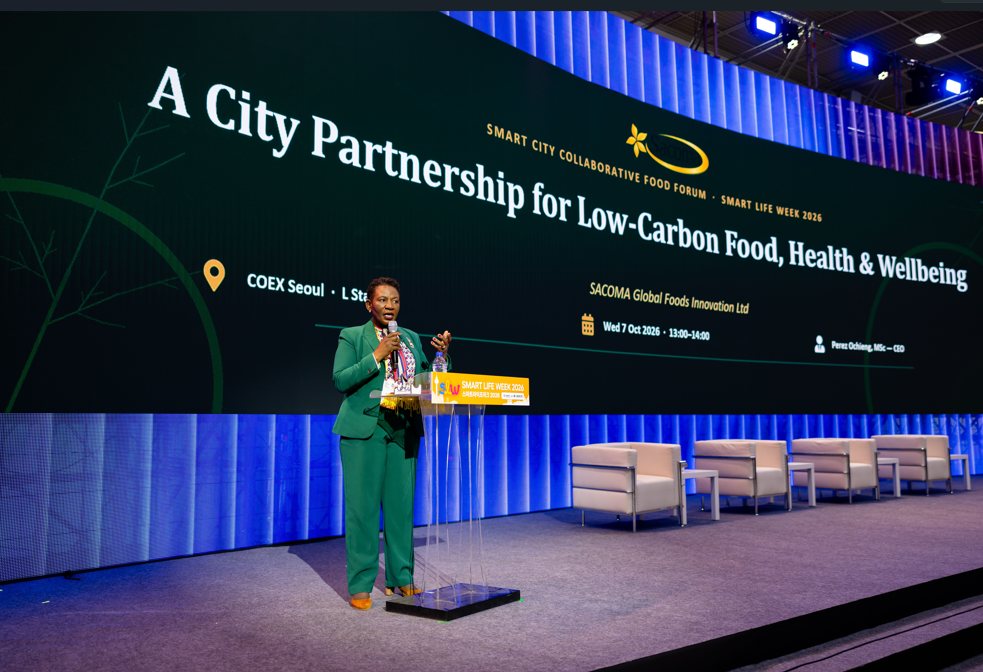
Smart City Food Industry Cooperation Forum
“Food is green urban infrastructure: it creates jobs, builds skills and reaches the communities that need it most.”
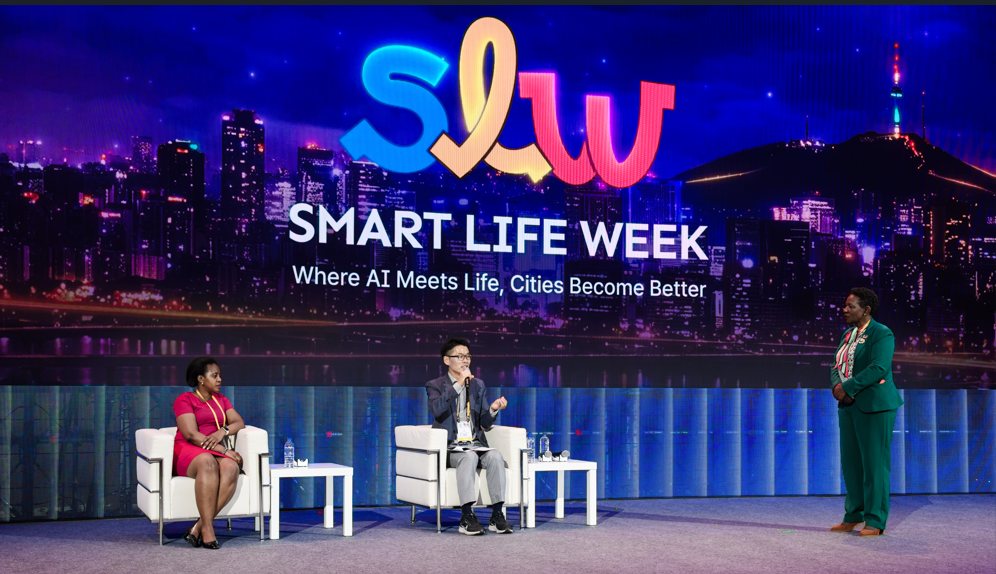
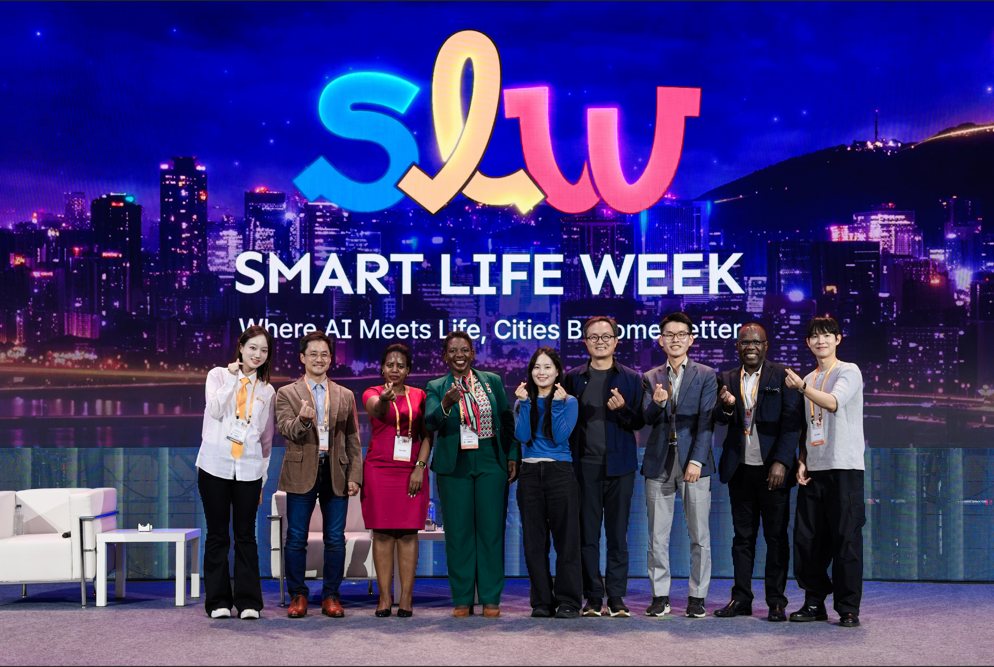
SACOMA Global Foods Innovation takes its forum agenda and the SACOMA Nexus platform to the Assembly’s Green Cities, New Opportunities panel, following their launch at Seoul Smart Life Week in October.
Bringing food into the green-cities conversation
WeGO’s first General Assembly in Latin America asks how cities can turn the green transition into growth, quality jobs and climate resilience. SACOMA joins the Green Cities panel to speak for private-sector innovation and sustainable food systems.
Our message is simple: food is one of the most labour-intensive and inclusive green sectors a city has. It connects people, places, health and livelihoods. Treat it as infrastructure, like energy or mobility, and it can create local jobs, build new skills and reach the neighbourhoods that need it most.
The panel brings together São Paulo city government, an international city, a climate-tech startup and academic experts, with a focus on the green economy, climate resilience and territorial intelligence.
Food is green urban infrastructure
Cities are where most food is eaten, most food is wasted and most hunger now sits. A city’s food system shapes its health, its emissions and its economy.
of the world’s food is consumed in cities.
FAOof people will live in urban areas by 2050, up from 55% today.
UN DESA, 2018of the 2.2 billion people facing moderate or severe food insecurity live in or around cities.
HLPE-FSN, 2024of global greenhouse-gas emissions come from food systems.
Crippa et al., Nature Food, 2021of food was wasted in 2022, most of it in households, food service and retail.
UNEP Food Waste Index, 2024of global GDP is generated in cities, which drive demand for cold chains, retail and delivery.
World BankFood is one of the biggest green-jobs opportunities
From farming and processing to cold chains, retail, recycling and training, food employs more people than any other system. Greening it creates work across the whole chain.
agrifood-system jobs worldwide
375 million of them are off the farm, in processing, transport, retail and food service.
FAO, 2023
new jobs from a greener economy by 2030
Including up to 6 million in the circular economy, such as recycling, repair and remanufacture.
ILO, 2018
SACOMA Nexus: the platform behind the forum
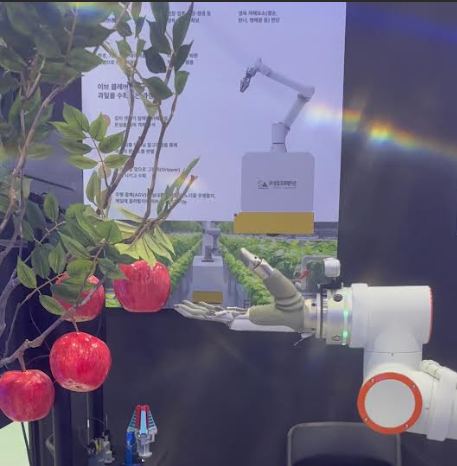
SACOMA Nexus connects farmers, food makers, vendors, buyers, researchers, cities and investors in one place, so low-carbon food chains can be traced, learned from and scaled. Every producer and supplier is reviewed by the SACOMA team before listing, and registrations are open.
Monitor
Evidence first, from farm to buyer.
- Partner projects on soil carbon (Uganda and Kenya) and cold-chain food loss (UK)
- Traceability, with data shared only under agreed permissions
- Evidence agreed before any carbon or nutrition figure is published
Learn
Skills and research built in.
- Eight self-paced courses, from low-carbon production to food safety and digital skills
- Research on consumer needs and product co-creation, with IP agreed upfront
- Consultancy and hands-on product training
Scale
Markets and partnerships that grow.
- A marketplace of verified suppliers: request quotes or source direct from farmers
- Memberships for individuals, co-operatives and institutions
- City partnerships and investment in low-carbon projects
Building the skills a green food economy needs
This is where government, business and education meet. Cities can open courses to their producers, universities bring research, and businesses bring the market.
Online courses
Self-paced learning on SACOMA Nexus for farmers, makers, vendors and researchers.
Hands-on training and advice
Food safety and product training, plus consultancy sessions.
Learning by co-creating
Farmers, makers, universities and citizens develop products together, with contributions credited and IP agreed upfront.
| Course on SACOMA Nexus | Level | For |
|---|---|---|
| Low-carbon food production basics | Intro | Farmers, makers |
| Food safety fundamentals | Intro | Farmers, makers, vendors |
| Digital skills for small food businesses | Intro | All participants |
| Marketplace onboarding for vendors | Intro | Vendors, partners |
| Export compliance for UK food SMEs | Intermediate | Makers, vendors |
| Sustainability data and reporting | Intermediate | Farmers, makers |
| Research collaboration and IP basics | Intermediate | Researchers |
| Consultancy and advisory skills | Advanced | Consultants, partners |
From Seoul to São Paulo
Building on three years of collaboration and a Proof of Concept with Gangnam-gu and the Seoul AI Foundation, SACOMA is developing an AI-powered food traceability system that connects producers, consumers and technology companies on one platform.
Proof of Concept
Collaboration with Gangnam-gu and the Seoul AI Foundation.
Inaugural forum, Seoul
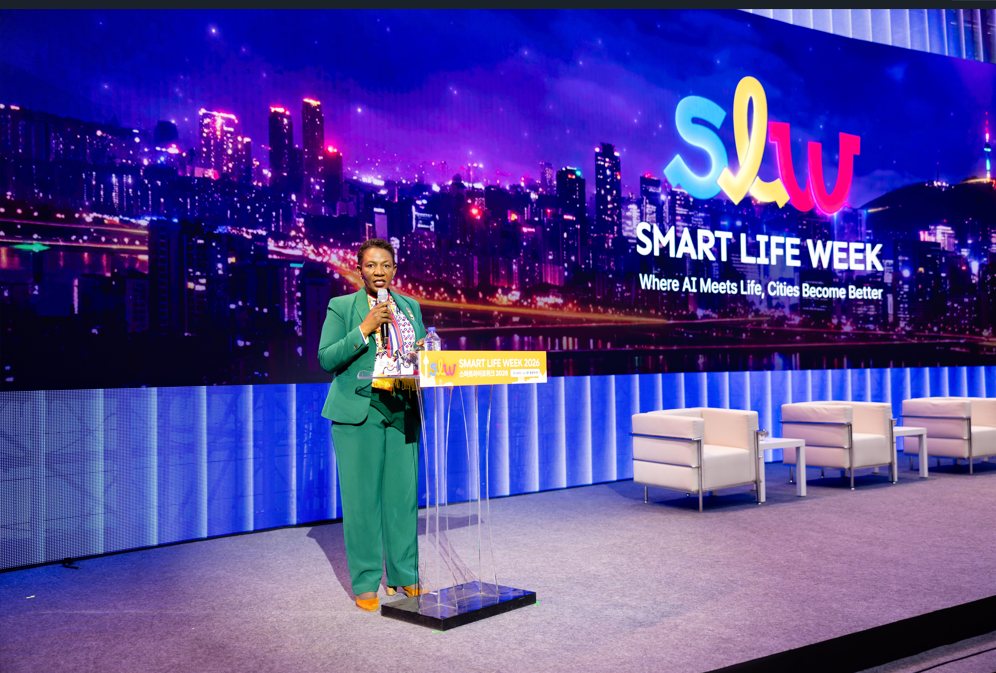
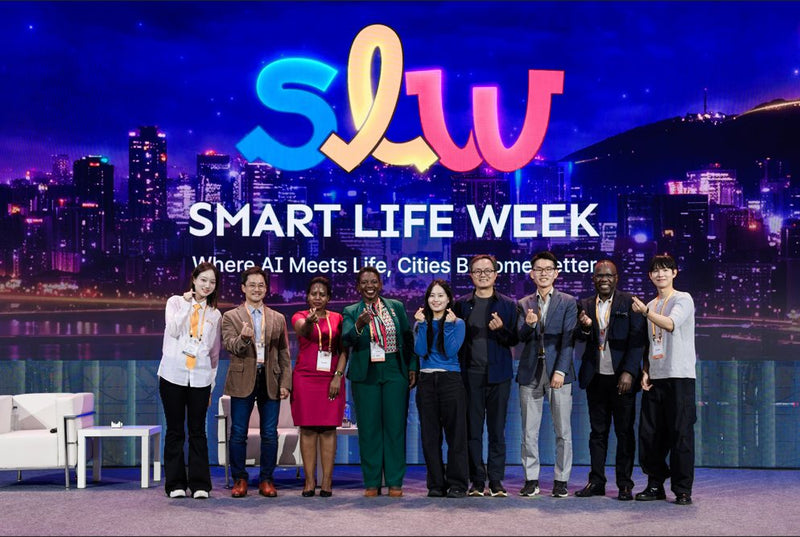
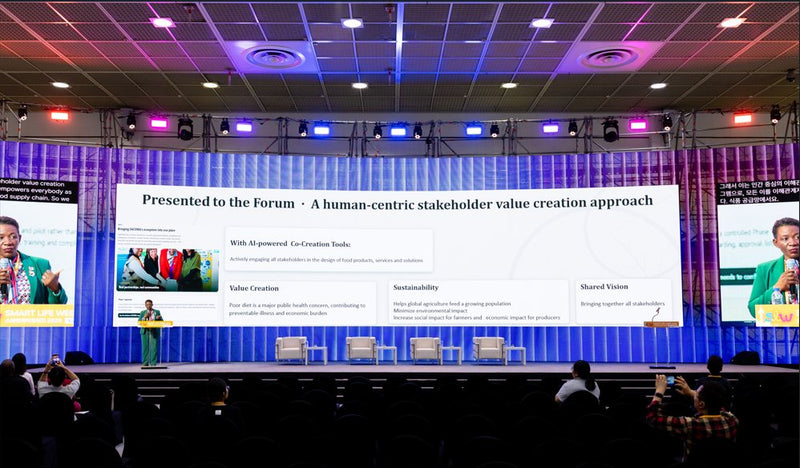
The first Smart City Food Industry Collaborative Forum, at COEX during Smart Life Week, where SACOMA Nexus launched.
WeGO membership
SACOMA approved as a WeGO member by the Executive Committee.
São Paulo
The Green Cities panel at the 7th WeGO General Assembly.

Five building blocks of a successful partnership
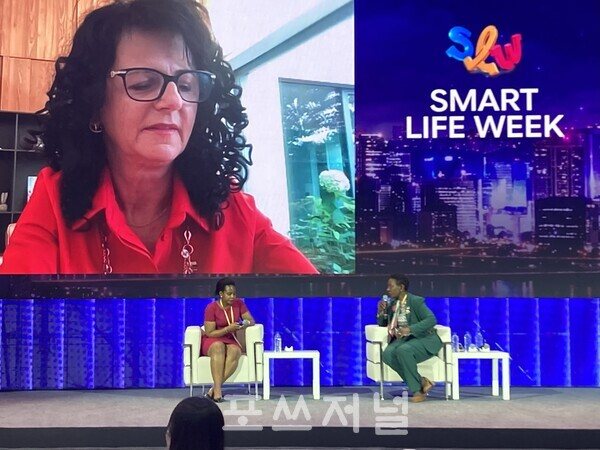
From farm to table with AI… Smart cities must design even the food supply chain.
Headline from the Korean Fourth Journal’s report on the Seoul forum · Read the article ↗ · Our Seoul recap
São Paulo is already linking food, jobs and climate
Brazil and São Paulo show what happens when food is treated as public infrastructure. SACOMA’s model is built to plug into programmes like these.
School meals from family farms
Since 2026, at least 45% of Brazil’s national school-meal (PNAE) funds must buy from family farmers, up from 30% (Law 15.226/2025).
Sampa+Rural
The city’s platform mapping and connecting farms, rural tourism and healthy-food initiatives across São Paulo.
Ligue os Pontos
São Paulo’s programme linking peri-urban farmers to the city, a winner of the Bloomberg Mayors Challenge.
PlanClima SP
The city’s climate plan to reach net zero, including a strategy to generate sustainable work and wealth.
Making sure the benefits reach those who need them most
Smallholder-first sourcing
Regenerative supply from small farms, through shorter chains.
Group membership
One account for a farmer co-operative, with benefits shared across the group.
Direct routes to market
Peri-urban producers sell straight to buyers and keep more of the price.
Public procurement
School, hospital and canteen meals sourced from local family farms.
Healthy, affordable food
Nutrition and affordability built into product decisions.
Resilient supply
Shorter cold chains and less spoilage protect supply during shocks.
- Producer income
- Local jobs created
- Access to healthy food
- Food loss avoided
- CO₂e reduced
Tracked by neighbourhood or district, with data shared only under agreed permissions.
Our test for every pilot
Who benefits?
Citizens, farmers, workers and local enterprises.
What value is created?
Health, jobs, fairness, environment and resilience.
What evidence?
The data agreed to prove it.
How will it scale?
A growth path designed in from day one.
Where could your city start? Four pilot ideas
| Pilot | What it does | What to measure |
|---|---|---|
| School & public food procurement | Traces produce from local and family farms to school, hospital and canteen kitchens | Share of family-farm spend; jobs supported; food miles; meal nutrition |
| Food-waste mapping & composting | Maps where food is lost across markets, kitchens and homes; redirects surplus and composts the rest | Tonnes diverted from landfill; CO₂e avoided; meals redistributed |
| Urban–rural direct markets | Digitally matches peri-urban producers with restaurants, markets and public buyers | Producers onboarded; producer share of price; local jobs created |
| Low-carbon menus & food information | Carbon and nutrition information for public canteens and retailers | kg CO₂e per meal; uptake of lower-carbon options |
What we bring to the Green Cities panel
Green growth & jobs
- Low-carbon food chains create local work
- SACOMA Nexus turns that into a working marketplace and partner platform
- Tested in Seoul, launched at Smart Life Week
Skills & partnerships
- Courses, hands-on training and co-creation
- Delivered with government, business and academic partners
- Partners on three continents
Inclusion & resilience
- Smallholder-first sourcing and co-operative membership
- Public procurement and direct markets
- Results tracked by territory
Food is green urban infrastructure: it creates jobs, builds skills and reaches the communities that need it most.
The São Paulo Smart Food Declaration (draft for endorsement)
- Food is urban infrastructureIntegrate food into smart-city and urban planning, alongside energy, mobility and digital.
- People firstPut citizens’ health, nutrition and wellbeing at the centre of food data and AI, with human oversight.
- Fair value and green jobsBuild shorter, traceable supply chains that reward farmers and food makers, create local jobs and respect their data and IP.
- Towards zero loss, zero wasteMeasure and reduce food loss, waste and emissions across the urban food system.
- Learn and scale togetherCo-create pilots, share evidence across WeGO cities and build the skills of the green food workforce.
Sustainable resilience is no longer a cost – it’s core to risk management and long-term growth.
Food’s future lies not in producing more, but in producing better, through partnership, innovation and a mindset built for resilience.
Government, business and academia working together

Perez Ochieng, MSc
Award-winning entrepreneur and catalyst for agricultural innovation. Perez leads SACOMA’s low-carbon, human-centred supply chain work, which brings food into urban infrastructure and links production, distribution and consumption with data.
Our forum partners and knowledge contributors:

Prof. Dagmar Cagáňová
Kim Won-il

John Paul Okwiri

Prof. Miko Ching-Ying Yu

Ben Chang
Join us
Co-design the first city pilots with us
We are inviting cities, producers, universities, investors and technology partners to test the pilots above. Meet Perez in São Paulo, or contact us and we will follow up after the Assembly.

Perez Ochieng, MSc
- FAO, food consumed in cities; FAO (2023), agrifood-system employment.
- UN DESA (2018), World Urbanization Prospects.
- HLPE-FSN (2024), urban and peri-urban food insecurity.
- Crippa et al. (2021), Nature Food, food-system emissions.
- UNEP (2024), Food Waste Index Report.
- World Bank, urban share of global GDP.
- ILO (2018), World Employment and Social Outlook: Greening with Jobs.
- Brazil Law 15.226/2025 (PNAE); City of São Paulo: Sampa+Rural, Ligue os Pontos, PlanClima SP.
- WeGO (2026), 7th General Assembly program book.